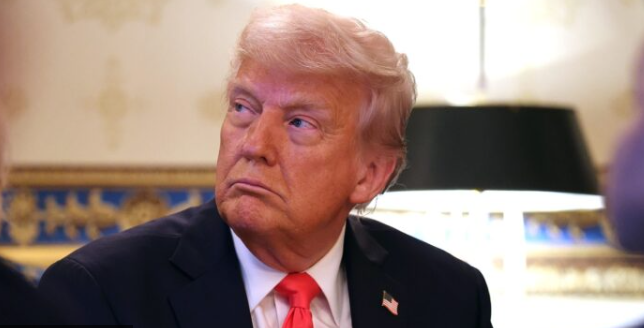
The administration of Donald J. Trump has reportedly dismissed several members of the National Science Foundation’s governing body, according to coverage by The Washington Post. This action has sparked concern among scientists, policymakers, and research advocates about the long-term direction and independence of the agency.
Members of the National Science Board—which plays a key advisory role in shaping U.S. science policy—received formal notices from the White House Presidential Personnel Office stating that their positions were being terminated immediately. Reporting from The Hill confirmed the abrupt nature of the dismissals.
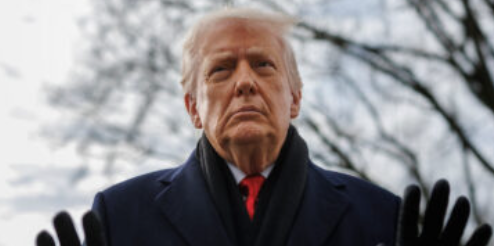
One affected board member, Marvi Matos Rodriguez, said she discovered her removal while reviewing documents related to her responsibilities. Appointed in 2022, she noted that board members are typically given six-year terms to ensure continuity and allow them to contribute meaningfully beyond the influence of any single presidential administration. She emphasized that the structure is designed to protect long-term scientific priorities from political shifts.
At this point, it remains uncertain how many individuals were removed or whether the administration plans to appoint replacements in the near future. Neither the White House nor the NSF has provided immediate clarification or public comment on the matter.
Zoe Lofgren, the leading Democrat on the House Committee on Science, Space and Technology, strongly criticized the decision. She stressed that the National Science Board is intended to function as a nonpartisan advisory body, offering guidance to the president and helping safeguard the integrity of federally supported research.
Lofgren argued that the move could undermine scientific independence and weaken institutional leadership. She further questioned whether future appointments would prioritize loyalty over expertise, raising concerns about the potential politicization of scientific oversight and decision-making.
These developments come amid broader changes affecting the NSF since Trump returned to office. The administration has already canceled or paused nearly 1,400 research grants, citing a shift in policy priorities. These grants represent a significant share—approximately one quarter—of federally funded basic research in the United States.
Critics, including former NSF leadership, have warned that such reductions could erode the country’s global standing in science and innovation. The administration’s proposed 2027 budget goes even further, calling for a reduction of more than 50 percent in NSF funding. An official from the Office of Management and Budget has defended the proposal as part of a broader effort to strategically allocate limited federal resources.
Meanwhile, Trump has nominated Jim O’Neill to head the NSF, though his confirmation is still under review by the Senate Committee on Health, Education, Labor and Pensions.
Outside of government, prominent science advocates have also raised alarms. Bill Nye previously warned that cuts to NSF and NASA programs could have far-reaching consequences, suggesting that the issue goes beyond delays in research and could fundamentally threaten the future of scientific progress in the United States.