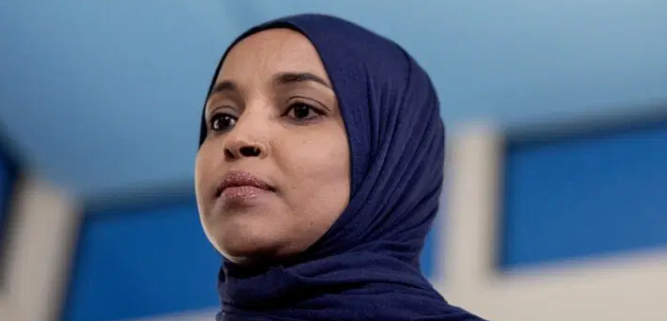
A Minnesota state legislator is seeking documents and detailed responses from U.S. Representative Ilhan Omar after the congresswoman did not attend a scheduled state committee hearing that was set to examine possible connections to a major pandemic-era fraud case. State Representative Kristin Robbins, who serves as chair of the Minnesota House Fraud Prevention and State Agency Oversight Committee, sent a formal letter to Omar following her absence from the hearing, which focused on oversight and accountability in federal COVID-19 relief programs.
According to Robbins, Omar had been invited to testify before the committee but neither appeared at the hearing nor responded to prior outreach efforts. In her letter, Robbins expressed disappointment over Omar’s absence and indicated that the committee would move forward by formally requesting records and written answers instead. She emphasized that the committee remains committed to conducting a thorough review of how pandemic-related funds were distributed and monitored.
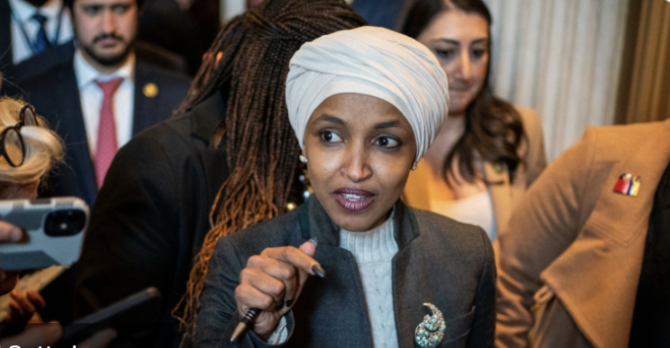
The request is connected to the ongoing investigation into the “Feeding Our Future” case, a widely publicized fraud scheme involving the alleged misuse of federal child nutrition funds during the COVID-19 pandemic. Federal prosecutors have stated that the broader case may involve hundreds of millions of dollars in improperly obtained funds. So far, the investigation has resulted in numerous indictments against individuals and organizations accused of exploiting relief programs designed to help vulnerable communities.
In her letter, Robbins asked Omar to provide communications related to her support for expanding access to federal nutrition programs. This includes emails, text messages, and records of meetings with state agencies, advocacy groups, and constituents. The request also specifically seeks documentation connected to Omar’s promotion of certain meal distribution sites, including a Minneapolis restaurant that was later linked to the program currently under investigation.
During the hearing, lawmakers reviewed footage from a Somali-language television appearance in which Omar highlighted the restaurant as part of community outreach tied to pandemic relief efforts. Robbins is requesting any communications related to that appearance, as well as information about the restaurant’s role in the program.
Additionally, the committee is seeking records of any interactions between Omar and individuals who have been charged or identified in connection with the Feeding Our Future case. This includes nonprofit founder Aimee Bock and others alleged to have participated in the scheme. The letter also requests information about political donations Omar may have received from individuals later charged in the investigation, along with any related correspondence.
Robbins noted that her committee has attempted to contact Omar’s office multiple times in the past but has not received a response. She has set a deadline of May 5 for the requested materials and answers to be submitted.
As of now, Omar has not publicly responded to the letter or addressed the document request.
The inquiry also touches on federal legislation known as the MEALS Act, a pandemic-era measure aimed at increasing access to child nutrition programs. Robbins’ letter references Omar’s support for expanding these programs and raises questions about how those policy changes were implemented at the state level, particularly in relation to oversight and safeguards against misuse.
The Feeding Our Future investigation has become one of the largest fraud cases associated with pandemic relief funding. Prosecutors allege that those involved created fake meal distribution sites and submitted false reimbursement claims, diverting funds that were intended to provide meals for children in need. Authorities have described this case as part of a broader pattern of fraud affecting pandemic-era assistance programs nationwide, with total losses across various schemes estimated to reach into the billions of dollars.
Beyond this investigation, Omar has also faced scrutiny on unrelated matters, including questions about financial disclosures and public allegations concerning immigration issues. While those concerns are not directly tied to the Minnesota committee’s current request, they have contributed to heightened political attention surrounding the congresswoman.
Despite the uncertainty over whether Omar will comply with the document request, the Minnesota House committee has stated that it will continue its oversight efforts. Lawmakers have indicated that additional hearings, inquiries, and investigative steps may follow as they work to better understand how federal relief funds were managed and whether policy decisions may have created vulnerabilities that allowed fraud to occur.